
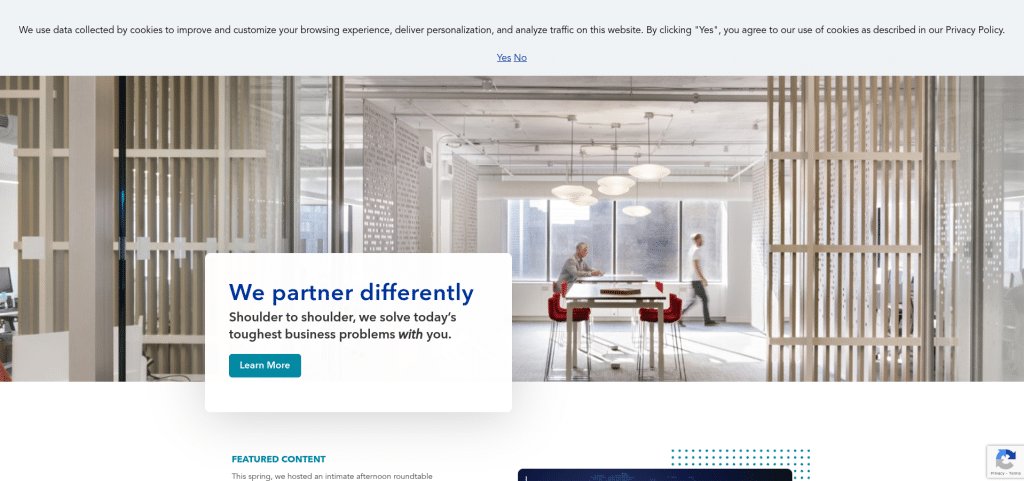
SA & Company is a U.S.-based management consulting firm that specializes in performance improvement, operations strategy, digital transformation, and advanced analytics. Founded in 1994 as the successor to the original Six Sigma Academy—the organization that developed and deployed Six Sigma with companies like GE and AlliedSignal—SSA & Company has evolved into a modern consultancy focused on helping clients accelerate value through smarter operations and digital enablement.
Headquartered in New York City, SSA & Company serves Fortune 500 clients across sectors such as financial services, healthcare, consumer products, industrials, private equity, and technology. The firm combines classic operational excellence tools with cutting-edge analytics and agile methods to solve complex business problems and drive measurable performance gains.
SSA & Company is part of G100 Companies, a unique ecosystem of professional services firms that serve CEOs, boards, and senior executives. This affiliation allows SSA & Company to integrate strategic insights and leadership development perspectives into its consulting work, enhancing its value proposition for clients seeking both operational and organizational transformation.
Known for its hands-on, results-driven approach, SSA & Company partners closely with clients to co-create solutions, embed capabilities, and deliver lasting impact.
Historical Background and Evolution
SSA & Company traces its roots to the early 1990s, when it was founded as Six Sigma Academy – a pioneer in applying data-driven quality improvement techniques. In its initial years, the firm played a pivotal role in helping major corporations implement Lean Six Sigma methodologies. Notably, Six Sigma Academy advisors worked closely with Larry Bossidy at AlliedSignal and Jack Welch at General Electric, catalyzing those companies’ famous Six Sigma-driven transformations. These early successes established the firm’s reputation for process improvement and operational excellence.
By the mid-2000s, the firm sought to expand beyond its original training-focused mission. In 2004, a group of industry veterans – including David Niles (a former Booz Allen consultant), Scott Miller (former CEO of Hyatt Hotels), and Dave Fuente (former CEO of Office Depot) – acquired the business. Under their leadership, Six Sigma Academy broadened its scope from a niche training outfit to a full-service management consultancy. This evolution was marked by a rebranding to SSA & Company (signifying the firm’s expansion beyond Six Sigma). The new name reflected a wider mandate: helping companies execute strategy through fast, targeted performance improvements and end-to-end operational transformations, not just quality training.
Throughout the 2010s, SSA & Company continued to evolve in line with market needs. In 2009, the firm launched a Private Equity practice, partnering with Vance Street Capital and other investors to support portfolio companies with operational improvements. In 2014, SSA & Company built out a Digital and Analytics practice to assist clients with emerging technologies, recognizing that digital transformation was becoming essential for growth. The firm also brought on prominent industry experts (such as former Procter & Gamble executive Deborah “Deb” Henretta in 2016) to deepen C-suite insight and broaden its advisory capabilities. Today, SSA & Company presents itself as a modern consulting firm delivering “digitally-enabled operating model transformation.” While it remains true to its Lean Six Sigma heritage, it has continually refined its approach with new innovations – from artificial intelligence tools to agile management techniques – to help clients thrive in a fast-changing business environment.
Key Figures and Leadership
Over the years, several key figures have shaped SSA & Company’s direction and growth:
- Dr. Mikel Harry – A co-founder of the original Six Sigma Academy and renowned as a principal architect of Six Sigma. His early leadership and expertise in quality management laid the foundation for the firm’s methodologies. Under his guidance, the academy worked with industry leaders to embed Six Sigma practices at scale.
- David Fuente – Former CEO of Office Depot, he joined as Chairman in the mid-2000s after the firm’s acquisition. Fuente’s experience leading a Fortune 500 company brought strong executive perspective. He helped steer the firm’s broadened mission from pure training to strategic process improvement, ensuring SSA’s offerings addressed CEO-level business challenges.
- Scott Miller – The former CEO of Hyatt Hotels Corporation, Miller became Chief Executive Officer of SSA & Company after the 2004 ownership change (and today serves as Chairman). He provided seasoned leadership and credibility, and was instrumental in driving the “rapid results” approach for clients. Miller emphasized delivering tangible business outcomes in weeks or months – a contrast to traditional multi-year consulting projects.
- David Niles – A former Booz Allen & Hamilton consultant, Niles is a co-owner and has been a driving force in the firm’s modern era. He initially served as President of SSA & Company (and of parent G100 Companies) and today is Chief Executive Officer of SSA & Company. Niles has guided the firm’s strategy, spearheaded the development of new service lines (like digital transformation), and led integration with the broader G100/Council Advisors platform. His leadership has focused on aligning SSA’s services with C-suite needs and building a team of experienced operators as consultants.
- Ram Charan – A world-renowned business author and advisor, Ram Charan has been affiliated with SSA & Company as a senior advisor and advisory board member. He has provided thought leadership and mentorship to SSA’s team and clients. Charan’s involvement underscores the firm’s connection to top-tier business thinking and its commitment to addressing CEO-level strategic issues.
- Deb Henretta – The former Group President at Procter & Gamble, Henretta joined SSA & Company as a Senior Advisor in 2016. She brought deep expertise in digital transformation and consumer markets, and as a highly respected former executive, she strengthens SSA’s understanding of C-suite perspectives. Henretta often advises on client engagements and contributes to the firm’s thought leadership, especially on navigating disruptive market changes.
- Other Leadership – SSA & Company’s leadership team also includes professionals like John Rodgers (Chief Operating Officer and Managing Partner) and Matt Katz (Managing Partner who leads the Retail practice). They, along with several Managing Directors, drive day-to-day client service and practice areas (for example, Pierre Buhler leads banking sector engagements as an MD). The firm’s advisors network features notable figures such as Ron Sugar (former CEO of Northrop Grumman), Harry McMahon (investment banking veteran), and Kaj Ahlmann (insurance industry leader), who collaborate with SSA & Company on specialized projects and provide industry-specific counsel. This blend of ex-CEOs, seasoned consultants, and industry specialists defines SSA & Company’s leadership style – bringing a mix of strategic and operational expertise to the forefront.
Industries and Sectors Served
SSA & Company serves a broad range of industries globally, leveraging its operational expertise across both industrial and service sectors. Key industries and sectors the firm works in include:
- Financial Services: Banks, insurance companies, asset managers, and other financial institutions form a significant client base. SSA & Company has helped these organizations streamline operations (in areas like retail banking processes, risk management, and back-office efficiency) and adapt to regulatory and digital changes. Over 15+ years, its financial services projects have reportedly yielded billions of dollars in cost savings and revenue growth for clients.
- Retail and Consumer Products: The firm works with retailers (brick-and-mortar and e-commerce) and consumer packaged goods companies to improve supply chains, inventory management, and customer experience. SSA & Company’s teams have optimized everything from in-store processes to omni-channel operations for retail clients, as well as helped consumer goods manufacturers increase efficiency in production and distribution.
- Healthcare and Pharmaceuticals: Hospitals, health systems, insurers, and pharma/biotech companies turn to SSA & Company to improve operational performance and implement digital health initiatives. Projects in this sector often involve streamlining patient or customer workflows, reducing costs in care delivery, improving supply chain and inventory for pharmaceuticals, and helping organizations adopt analytics for better health outcomes and business decisions.
- Energy and Utilities: SSA & Company serves energy companies (including oil & gas, power utilities, and renewables) by driving efficiencies in production operations, maintenance processes, and capital project execution. In utilities, the firm has worked on process improvements in customer service, outage response, and enterprise asset management, often bringing lean process techniques to environments that traditionally were engineering-driven.
- Industrials and Manufacturing: With its Six Sigma heritage, SSA & Company naturally engages with industrial manufacturers, automotive companies, aerospace firms, and infrastructure-related businesses. It helps these clients with lean manufacturing implementations, quality improvement, reducing cycle times, and integrating new technologies (like IoT sensors or advanced automation) on the factory floor. The firm’s work in this area often targets productivity gains and cost reduction in end-to-end manufacturing operations.
- Insurance (Property & Casualty, Life, Reinsurance): Insurance companies have worked with SSA & Company to standardize and optimize their business processes. For example, global insurers have enlisted the firm to harmonize underwriting and claims processes across multiple countries, improving consistency and efficiency. The firm has also helped insurance clients implement robotic process automation and advanced analytics to handle high volumes of transactions (such as policy issuance or claims handling) with greater speed and accuracy.
- Media, Technology, and Telecommunications: In the media and tech arena, SSA & Company assists companies with transforming their operations to be more agile and data-driven. This can involve optimizing content production workflows for media firms, improving IT service management for tech companies, or refining customer onboarding and support processes for telecom providers. The consultancy’s focus on digital enablement is particularly valuable in these fast-evolving sectors.
- Private Equity and Financial Sponsors: SSA & Company has a dedicated practice serving private equity firms and their portfolio companies. It partners with PE investors to rapidly assess acquisition targets’ operations and implement post-acquisition improvement plans. The firm’s consultants often embed with portfolio companies to drive value creation initiatives – such as margin improvement, working capital reduction, or growth strategy execution – on an accelerated timeline (aligned with PE investment horizons). Sectors here vary widely, as portfolio companies range from consumer brands to industrial manufacturers, but the common theme is delivering quick, tangible performance boosts that increase equity value.
Across these industries, SSA & Company’s global reach allows it to support both multinational corporations and mid-sized enterprises. The firm prides itself on tailoring its approach to each industry’s specific challenges and cultural context – whether that’s navigating strict regulations in finance and healthcare, or addressing supply chain complexities in retail and manufacturing.
Consulting Methodologies and Distinctive Approaches
SSA & Company differentiates itself through its methodology, which combines time-tested process improvement techniques with agile execution and modern digital tools. At the core of its approach is a legacy of Lean Six Sigma. The firm was “born out of Lean Six Sigma,” and it continues to use those principles to diagnose problems, reduce waste, and improve quality in client operations. However, SSA & Company goes beyond traditional Six Sigma by emphasizing speed and pragmatism. One of its hallmarks is delivering fast-cycle results – the firm often targets significant improvements within 90 days on a project, rather than multi-year programs. This rapid impact mentality appeals to executives who need quick wins as well as sustainable change.
To achieve such results quickly, SSA & Company employs a set of distinctive drivers in its methodology. The firm often cites four key drivers of competitive advantage that guide its work: data, speed, agility, and talent. In practice, this means SSA consultants heavily leverage data analytics to pinpoint improvement opportunities and measure outcomes; they design solutions that can be implemented at high velocity (using techniques like focused sprints or “100-day plans”); they incorporate agile and flexible processes so organizations can adapt on the fly; and they engage and develop client talent throughout the project, ensuring that internal teams are equipped to sustain improvements. This focus on working with the client’s people (not just delivering recommendations) is a distinctive aspect of SSA’s approach – it aims to leave behind stronger capabilities, not dependency on consultants.
Another key component of SSA & Company’s approach is integrating digital transformation into operations. Rather than treating digital strategy as separate, SSA’s methodology blends digital enablement directly into performance improvement initiatives. The firm’s teams include experts in RPA (Robotic Process Automation), AI, and other emerging technologies who work alongside process improvement specialists. Together, they re-engineer business processes while introducing automation or analytics tools to accelerate and amplify results. For instance, in a customer service process improvement, SSA might simultaneously streamline the workflow and implement a chatbot or RPA solution to handle routine tasks – yielding a faster, technology-enabled process. This combined operations-and-technology perspective helps clients achieve not only efficiency, but also build modern capabilities (like real-time dashboards or algorithm-driven decision-making) as part of their transformation.
SSA & Company is also known for a hands-on, execution-oriented consulting style. The firm’s consultants, many of whom are seasoned industry operators themselves, prefer to work on-site with client teams, digging into processes and jointly crafting solutions. Instead of producing theoretical reports, SSA & Company emphasizes piloting changes quickly, iterating based on feedback, and scaling up what works. This approach (sometimes described as “Execution Excellence”) resonates particularly in environments where past initiatives have failed due to analysis paralysis or lack of buy-in. By engaging cross-functional client stakeholders in working sessions and implementation workshops, SSA ensures the solutions are practical and embraced by the organization. The end goal of every methodology element – whether lean tools, digital tech, or change management – is to improve performance in measurable ways (e.g. reduce cycle time by X%, increase productivity by Y, cut cost by $Z million) and to do so faster than traditional consulting approaches.
In summary, SSA & Company’s consulting methodology is characterized by: a foundation in proven process improvement techniques; an emphasis on speed and agility to deliver quick, meaningful wins; the integration of advanced analytics and digital tools into operations; and a collaborative, capability-building approach with client teams. This combination provides a distinctive value proposition, especially for clients looking to transform operations in a way that sticks and shows results both immediately and over the long term.
Service Lines and Offerings
SSA & Company offers a range of consulting services aligned to improving operations and enabling transformation. Its major service lines (areas of expertise and offerings) include:
- Operational Excellence & Process Improvement: This service line focuses on improving the efficiency, quality, and cost-effectiveness of a company’s operations. SSA & Company identifies bottlenecks and waste in processes and implements Lean Six Sigma techniques to eliminate them. Typical projects under operational excellence include optimizing supply chain and logistics flows, streamlining manufacturing or service delivery processes, reducing error rates and rework, and reengineering workflows for higher productivity. The firm not only redesigns processes but also establishes key performance indicators and management routines so that the gains are sustainable. This category is essentially the modern continuation of the firm’s Six Sigma heritage, updated with current best practices. Clients engaging SSA for operational excellence often see outcomes like shorter cycle times, lower operating costs, improved customer service metrics, and enhanced overall performance in day-to-day operations.
- Digital Enablement & Analytics: In this service line, SSA & Company helps clients leverage technology and data to transform their business. This includes developing and executing digital transformation roadmaps – for example, guiding a client through automating manual processes with RPA, deploying artificial intelligence or machine learning models to improve decision-making, or implementing Internet of Things (IoT) solutions to gather real-time operational data. SSA’s consultants work to ensure that technology implementations align with business goals (not tech for tech’s sake). They often start with an analytics-driven assessment of a client’s data (big data analysis, predictive modeling) to uncover insights and pinpoint opportunities for improvement or innovation. Then they assist in selecting and rolling out the right digital tools. Importantly, SSA & Company also addresses the human side of digital enablement: training staff on new systems, redesigning organizational structures to support digital workflows, and embedding analytics into the culture. The outcome is that clients become more data-driven and digitally capable, which can lead to improved agility, new digital services for customers, and better internal decision processes.
- Business Transformation and Operating Model Redesign: SSA & Company leads broad transformation initiatives that go beyond tweaking processes – this involves rethinking how a business operates at a fundamental level. Under this offering, the firm might help a company design a new target operating model, realign its organizational structure, or integrate after a major merger/acquisition. These projects are typically enterprise-wide and involve multiple levers: process changes, technology adoption, organizational restructuring, and strategic alignment. SSA & Company will often begin by clarifying the strategic objectives with senior executives (e.g. shifting to a customer-centric operating model, or scaling the business for global expansion) and then work on translating that strategy into an execution plan. They coordinate transformation program management and ensure that all initiatives (across people, process, and technology) drive toward the desired end-state. This service line leverages the firm’s “advanced operating models” expertise – essentially designing how all parts of the business should fit together to enable growth or change. Clients utilizing this offering are frequently those undergoing significant change, such as digital disruptors needing more structure to scale, or legacy companies needing to reinvent themselves to remain competitive.
- Performance Improvement (Profit & Productivity): While closely related to operational excellence, performance improvement projects are aimed specifically at improving financial and operational performance metrics in a focused way. SSA & Company might be engaged to quickly boost a company’s EBITDA, improve profit margins, or turn around a struggling business unit. The firm’s consultants dive into financial drivers – for example, optimizing pricing or product mix for higher margins, reducing procurement costs through strategic sourcing, or eliminating unprofitable activities. They also look at productivity of resources, helping clients do more with their existing workforce and assets (through better workforce management, automation, or process simplification). This category often appeals to private equity-owned companies or divisions under pressure to improve short-term results. SSA & Company’s fast, data-intensive approach fits well here: they identify “quick hits” for cost reduction or revenue enhancement that can show up on the bottom line within a quarter or two, while also setting the stage for longer-term improvements. In essence, performance improvement engagements aim to deliver tangible financial gains and improved operational KPIs, making the business leaner and more profitable.
- Analytics Services: Given its strong emphasis on data, SSA & Company sometimes breaks out advanced analytics as a distinct offering. This can involve building custom analytical models for clients – such as forecasting models, customer segmentation analysis, or operational simulations – to solve complex problems. The firm might also assist in establishing an analytics center of excellence within a client organization or implementing enterprise data governance and business intelligence tools. By providing analytics expertise, SSA helps clients not only crunch numbers but derive actionable insights that inform strategy and operations. For example, in a sales organization, SSA’s analytics team might analyze customer data to find patterns that point to cross-selling opportunities, thereby directly driving revenue growth strategies.
- Training & Capability Development: True to its origins, SSA & Company continues to offer training services, both as part of consulting engagements and as standalone programs. The firm provides Lean Six Sigma training and certification for client teams (from Yellow Belt up to Black Belt levels), equipping employees with process improvement skills. Additionally, SSA coaches client personnel in areas like project management, digital tool usage, and change leadership to ensure the client workforce can maintain momentum after the consultants exit. Some engagements include creating internal “continuous improvement” teams within the client and training them to carry on the work. SSA & Company’s training is known to blend classical techniques with modern practices – for instance, combining Lean Six Sigma concepts with training on data analytics software or agile project methods. The result is a client team that has both the mindset and the skill set to continuously improve operations long after the initial project. This focus on sustainable impact is a distinctive part of SSA’s service philosophy.
These service lines often overlap and are combined based on client needs. For example, an end-to-end transformation project might include elements of operational excellence (to fix processes), digital enablement (to automate and modernize), and capability building (to train staff). SSA & Company’s ability to bring a holistic yet flexible set of offerings means clients can get a tailored solution – whether it’s a quick process fix or a large-scale transformation program – all from one integrated team.
Global Operations and Footprint
Although SSA & Company is a boutique firm relative to industry giants, it maintains a global presence to serve clients in key regions. The firm’s operations span North America, Europe, and Asia, with offices or hubs in several major cities:
- North America: SSA & Company is headquartered in New York City, which serves as the central hub for its U.S. operations and leadership. In addition to New York, the firm has had offices or team bases in other U.S. locations to better reach clients coast-to-coast. This has included a presence in the Los Angeles area (reflecting West Coast client work and private equity connections in Southern California), the San Francisco Bay Area (to support technology and innovation-focused clients), and Phoenix, Arizona. The Phoenix presence ties back to the firm’s origin (the Six Sigma Academy was originally based in Scottsdale, AZ) and allows coverage of clients in the Southwest. Consultants often operate on a travel model, so even locations without a formal office can be served by teams from the nearest hub. In North America, SSA & Company’s client base ranges across the US and also into Canada, with the firm able to deploy teams as needed.
- Europe: The company’s European headquarters is in London, United Kingdom. From its London office, SSA & Company coordinates projects across Europe, the Middle East, and Africa. The firm has built a leadership team in the UK to meet growing demand, especially for its operational improvement and digital services among European corporations. Additionally, SSA & Company has a presence in continental Europe: notably, it has had consultants based in Munich, Germany, and Milan, Italy – likely to support manufacturing and industrial clients in those regions as well as global companies with European operations. With London as a financial center, SSA serves European banks and insurers, while its presence in Germany and Italy helps cover automotive, industrial, and consumer goods clients. The firm’s strategy in Europe has been to grow a senior team on the ground (as evidenced by several leadership hires in the mid-2010s) to better localize its expertise.
- Asia-Pacific: SSA & Company’s Asia-Pacific operations have centered around key business hubs. The firm established an Asia-Pacific headquarters in Singapore, located at Raffles Place in the heart of Singapore’s financial district. Singapore provides a strategic base for reaching Southeast Asian markets and serves as a convenient location for regional executives. From there, SSA & Company has worked on projects in countries like Malaysia, Indonesia, and Australia. The firm also has a footprint in Greater China; it has been known to have a presence or partnerships in Beijing, China to serve the Chinese market. While the scale of SSA’s Asia team is smaller than its US or European counterparts, the firm has executed projects in industries like manufacturing, high-tech, and financial services across Asia. Having local or regional staff allows them to navigate cultural and language nuances and be closer to client sites (for example, working with a factory in China or a bank in Singapore).
- Other Regions: Through its network and the broader Council Advisors platform, SSA & Company can also support clients in regions such as the Middle East or Latin America. Although it may not have permanent offices there, the firm’s consultants travel globally. For instance, a project for an energy company in the Middle East might be led out of the London office with teams on-site as needed. Similarly, SSA has likely tackled projects in Latin America by deploying bilingual consultants from the U.S. or Europe. The agile nature of a boutique firm means SSA & Company can be flexible in servicing global clients wherever they operate, often working in collaboration with client regional offices.
In summary, SSA & Company’s global operations are structured around a few key hubs (New York, London, Singapore, etc.), but its reach extends to wherever its clients do business. The firm highlights its “global reach with local presence” – meaning it aims to combine international best practices with an understanding of local market conditions. This global footprint also enables SSA & Company to coordinate multi-country transformation programs and share cross-regional insights (for example, applying a successful approach from a U.S. client to a European client’s situation). Being part of a global partnership (Council Advisors) further enhances its ability to tap into resources and experts worldwide to serve client needs.
Career Progression and Roles
As a consulting firm, SSA & Company offers a structured career path similar to other management consultancies, albeit with the nimbleness of a smaller firm. Professionals typically progress through the following roles and levels:
- Business Analyst / Associate (Entry Level): Recent college graduates or junior professionals often join at the Business Analyst level (sometimes titled Associate Consultant at SSA & Company). In this role, individuals handle research, data gathering, and analytical workstreams on consulting projects. They might build Excel models to quantify improvement opportunities, conduct interviews or time-and-motion studies on client sites, and support senior team members in creating presentations. At SSA & Company, analysts get early exposure to operational details and are encouraged to think critically about business problems. Given the firm’s lean teams, even entry-level consultants have significant responsibility and client interaction. Typically, after a couple of years, high-performing analysts are promoted to the next tier or may pursue an MBA (with the possibility of return).
- Consultant / Senior Associate: After the entry stage, consultants take on more complex analyses and begin to own parts of the project. At SSA & Company, this role might still be referred to as Associate Consultant for a while, but effectively these professionals serve as consultants managing individual work modules. They might lead a small team of analysts, take charge of a particular process improvement pilot, or be the point of contact for a client’s middle management on specific issues. Senior Associates/Consultants are expected to have strong problem-solving skills and a deeper understanding of the firm’s methodologies (e.g., being adept with Lean Six Sigma tools or data analysis techniques). They start contributing to project planning and might help in drafting reports or recommendations. In a boutique environment, consultants can progress quickly as they demonstrate the ability to deliver results and handle clients.
- Engagement Manager / Associate Director: The next step is a managerial role. SSA & Company often uses the title Associate Director for this level. These are the project managers who run day-to-day aspects of engagements. An Associate Director coordinates the team’s tasks, ensures that the project milestones are met, and is the primary liaison for client managers. They design the work approach (with guidance from directors or partners), delegate analysis to consultants/analysts, and synthesize findings into insights and recommendations. Engagement Managers at SSA & Company also play a big role in facilitating workshops and presentations to client leadership, effectively sharpening their communication and leadership skills. Because SSA projects emphasize implementation, Associate Directors frequently lead on-site efforts to pilot changes and monitor results, making adjustments as needed. This role is a critical bridge between doing analysis and steering strategy – individuals must both “roll up their sleeves” to solve problems and step back to guide the overall project narrative. Successful managers in this position develop a track record of delivering client value, which positions them for senior leadership roles.
- Principal / Director / Senior Director: Above the project manager level, consultants enter the senior leadership ranks, often titled as Director or Senior Director at SSA & Company. (In some consulting firms this level might be called Principal or Associate Partner.) Directors are responsible not only for overseeing one or multiple engagements but also for shaping solutions and maintaining client relationships at the senior level. They mentor and review the work of Associate Directors and ensure the quality of deliverables. A Director at SSA & Company often has deep expertise in a particular industry or capability – for example, one might be known for driving digital transformation projects, another for operational turnarounds in retail. They leverage this expertise to tailor methodologies to client contexts. Senior Directors, in particular, function almost like junior partners: they may lead business development efforts (writing proposals, attending sales meetings), and they often manage a portfolio of projects or a segment of the practice. At a boutique firm, these individuals have significant influence on the firm’s direction, contributing to service innovation and thought leadership. They also collaborate closely with the managing directors/partners on strategic decisions for the firm.
- Partner / Managing Director: The top of the consulting career track at SSA & Company includes Managing Directors and Managing Partners (the term “Partner” is used, though SSA tends to use corporate titles). These are the firm’s leaders and revenue owners. Partners are responsible for bringing in business, whether through cultivating client relationships, cross-selling services, or leveraging the Council Advisors network to find new opportunities. They lead major client engagements, often acting as the executive sponsor who works with C-level client stakeholders. In delivery, a Partner ensures the project is addressing the client’s strategic objectives and that the client is satisfied with results. Internally, SSA & Company’s partners set the vision for the firm, decide which capabilities to develop, and drive recruiting and talent development. For instance, a Managing Partner might lead the expansion of the firm into a new geography or the launch of a new practice area (like a data analytics center of excellence). Partners also coordinate collaboration with sister firms in the G100/Council Advisors family (to offer integrated solutions to clients). In terms of career progression, reaching Partner usually means not just years of experience, but demonstrated excellence in delivering client impact, thought leadership, and business generation. Partners at SSA & Company often have 20+ years of business experience and a blend of consulting and industry operating backgrounds.
- Firm Leadership & Administration: In addition to the consulting track, SSA & Company has roles in corporate functions (Human Resources, Knowledge Management, etc.), but these are smaller teams given the firm’s size. For example, the Vice President of Human Resources (like Tricia Madden, as listed on their leadership page) oversees talent management and professional development programs for the consultants. There are also roles for specialists and advisors who may not fit the traditional pyramid – for instance, Advisors (like Ram Charan or sector experts) who are affiliated with the firm to provide counsel on projects or open doors, but are not full-time employees climbing the ladder.
Career progression at SSA & Company is often described as merit-based and rapid. Because the firm is smaller, high performers can take on responsibility sooner than they might at a larger firm. An analyst can find themselves presenting to a CEO or working abroad on a project within a short span, accelerating their growth. The firm also encourages an entrepreneurial mindset – consultants at all levels are expected to contribute ideas to improve the firm and can get involved in internal initiatives (like developing new service offerings or organizing training programs). Mentorship is readily accessible, since partners and senior leaders are hands-on with project teams, allowing juniors to learn directly from very experienced consultants and former executives. Overall, SSA & Company offers a close-knit, apprenticeship culture for career development, paired with the expectation that team members will step up and lead when opportunities arise.
Compensation
SSA & Company offers competitive compensation that aligns with the consulting industry, though as a boutique firm its pay scale may be slightly different from the largest firms. Publicly available information (such as self-reported employee data) provides some insight into salary ranges for various roles, particularly in the United States:
- Entry-Level (Analysts/Associate Consultants): In the U.S., base salaries for new analysts or associate consultants at SSA & Company tend to fall in the high-$70,000s to mid-$90,000s range per year. With performance bonuses and other incentives, total first-year compensation might reach into the low six figures (approximately $85,000 to $110,000). This is generally in line with what large consulting firms pay their junior staff, reflecting SSA’s need to attract talent. The firm likely adjusts pay for cost of living if, say, someone is based in New York versus Phoenix, but overall tries to keep entry comp attractive to compete for top graduates.
- Consultants and Senior Consultants: As professionals gain a few years of experience or join post-MBA, their compensation increases. A Consultant or Senior Associate at SSA & Company can expect a salary in the low-to-mid six figures. For instance, reports suggest Senior Consultants might earn around $120,000 to $150,000 in base salary, with bonuses taking total compensation into the range of roughly $140,000 to $180,000. These figures can vary based on performance, the practice area, and the region. SSA & Company tends to reward consultants who take on more responsibility quickly, so someone leading key workstreams might see faster raises or bigger bonuses.
- Project Manager/Associate Director Level: At the Engagement Manager or Associate Director level, compensation steps up significantly as these individuals are critical to project success. Typical total compensation (base plus bonus) for an Associate Director in the U.S. could be in the range of ~$170,000 to $250,000 per year. The base salary portion might be around $140-180K, with the rest coming from performance bonuses and possibly profit-sharing on projects. This level of pay reflects the managerial duties and the value these roles provide in delivering to clients. It’s also a point where consulting firms start providing other incentives to retain talent, such as larger year-end bonuses, greater profit-sharing, or pathway to equity consideration.
- Directors and Senior Directors: Senior leaders at SSA & Company command higher six-figure salaries. A Director running large engagements might have a total compensation in the mid-to-high $200,000s. For example, publicly posted ranges for a Director have spanned roughly $175,000 to $260,000 (including bonus). Senior Directors (just below partner) may approach or slightly exceed $300,000 in good years, depending on how much business they influence and overall firm performance. At this stage, part of their bonus might be tied to the success of the accounts they oversee or new business they help land. SSA & Company, like many firms, likely also offers benefits such as profit-sharing or stock options in the parent entity for top performers, although details on equity are private.
- Partners/Managing Directors: Compensation for Partners at SSA & Company is not publicly disclosed, as these are typically equity owners with profit distributions. However, partners usually receive a combination of base salary plus a share of the firm’s profits or performance pools. In a boutique firm with around 100-200 employees, partner earnings can vary widely year to year based on firm results. Rough estimates might place an SSA & Company Managing Director’s annual compensation in the high six figures to low seven figures (i.e., several hundred thousand dollars, potentially crossing the $1 million mark if the firm has an exceptionally profitable year or if the individual brings in major business). This would include base pay that could be in the $250k-$400k range plus performance-based profit sharing or bonuses. Partners often reinvest in growing the firm as well, so the reward is not just immediate salary but long-term equity value. Additionally, as part of Council Advisors (the parent platform), some senior SSA leaders might have incentives tied to the broader partnership’s success.
- Regional and International Differences: In regions outside the U.S., compensation is adjusted to local market standards. For example, a consultant based in London might have a slightly lower base salary in USD terms than their New York counterpart, but it would be competitive for the UK consulting market. Similarly, consultants in Asia (e.g., Singapore or China) might have lower absolute pay, but usually accompanied by cost-of-living adjustments or allowances when working on international projects. SSA & Company likely pegs its pay to be attractive in each locale – in London, that might mean a junior consultant earning on the order of £50,000-£70,000, or a manager earning £100,000+, though exact figures would vary. In all cases, the firm’s relatively high performance rating from employees (as seen in reviews) suggests that people generally feel the compensation is fair for the workload and balanced with a good lifestyle relative to larger firms (SSA is known for somewhat better work-life balance given its size).
- Bonuses and Other Benefits: Consultants at SSA & Company are eligible for annual performance bonuses based on both individual and firm performance. These can range from perhaps 10-20% of salary at junior levels to a much larger percentage at senior levels. The firm also likely provides standard benefits (health insurance, retirement savings plans like 401k in the US, etc.), and may offer additional perks such as wellness allowances or training reimbursement, reflecting its culture of professional development. Being a smaller firm, SSA may not have as formalized a perks program as big firms, but it often competes by offering a more entrepreneurial work environment and faster career growth, which many employees value as part of their “total package.”
In summary, compensation at SSA & Company scales from roughly the high-five-figure range for entry-level roles to potentially seven figures for top partners, with each promotion bringing a substantial raise. The pay is designed to be competitive enough to attract talent against larger consultancies, and the firm emphasizes performance-based rewards. Importantly, because SSA & Company often hires experienced industry professionals as well, it may tailor compensation for certain hires (for instance, bringing in a veteran executive as a Managing Director might involve a bespoke package possibly including equity in the firm or incentive bonuses tied to business development). The firm’s goal is to align compensation with contribution – ensuring those who drive success for clients and growth for the firm are well rewarded.
(Note: These figures are approximate and based on publicly available data like Glassdoor, which can fluctuate. Actual salaries can vary by individual and over time.)
Thought Leadership Initiatives and Proprietary Frameworks
SSA & Company actively engages in thought leadership to establish its expertise and provide value beyond client projects. Despite its size, the firm produces a steady stream of insights, frameworks, and research that contribute to discussions on management and operational excellence:
- Insights and Publications: Through its website and various publications, SSA & Company shares articles, white papers, and case studies that highlight current business challenges and their approach to solving them. For instance, the firm has published thought leadership on adapting to what it calls the “New Abnormal” in business – essentially how companies must reinvent themselves in the face of continuous disruption. These insights often draw on the firm’s direct experience; a white paper might detail how a data-driven transformation approach led to success in an industry, abstracting lessons that other executives can apply. SSA’s consultants and advisors frequently author blog posts or external articles on topics like operational agility in a digital age, the integration of AI into process improvement, or strategies for rapid results in a slow-growth economy. By articulating their perspectives, the firm positions itself as a forward-thinking advisor in operations and strategy execution.
- Council Advisors Thought Leadership Forums: Being part of the Council Advisors (formerly G100) platform means SSA & Company contributes to and benefits from high-level forums with executives. The G100 network historically convened CEOs and C-suite leaders for peer learning. SSA’s leadership often presents in these forums or contributes research to inform them. For example, SSA & Company might prepare an analysis on “digital transformation pitfalls” to discuss with a group of CIOs, or collaborate with sister firms to produce a report on “talent and execution” for CEOs. The Agenda Setting practice in Council Advisors synthesizes input from across the firms (SSA, TMG, HLG) to guide top leaders on pressing issues – SSA’s role is to inject operational insight into those discussions. This cross-pollination ensures the firm stays at the cutting edge of what’s on CEOs’ agendas and shapes its thought leadership accordingly.
- Proprietary Frameworks and Tools: Over decades of consulting, SSA & Company has developed proprietary frameworks that codify its approach. One example is its Data-Driven Management System that originated in the Six Sigma Academy days – essentially a framework for using metrics and dashboards to manage business performance. This system was among the first of its kind in the 90s and has since evolved with new technology. Additionally, SSA & Company often references an internal framework for operating model transformation, which maps out the multiple dimensions a company must align (strategy, process, people, technology, governance) to achieve lasting change. They use this model to assess a client’s current state and design a target state, ensuring nothing is overlooked (from quick process fixes to culture shifts).
Another proprietary element is the “90-Day Impact” methodology – a structured approach to identify, implement, and track quick wins in roughly a three-month period. While not a trademarked name publicly, internally SSA consultants follow a playbook for rapid results: this includes templates for opportunity diagnostics (leveraging big data analysis to find improvement hotspots), a sprint-based implementation schedule, and tools for measuring impact (like benefit tracking software and change adoption scorecards). This methodology is a key selling point in SSA’s engagements and one they have refined with each project. - Partnerships for Research and Innovation: SSA & Company sometimes partners with external organizations to extend its thought leadership. A notable example was a strategic partnership with InnovAccer, a big data analytics platform provider, announced in 2016. The goal was to build industry-specific big data solutions for sectors like healthcare, manufacturing, and consumer goods. Through such collaborations, SSA & Company co-develops innovative analytics frameworks (for example, a predictive model to anticipate manufacturing equipment failures or a data integration approach for patient records in healthcare). The knowledge gained feeds into SSA’s consulting toolkit and thought leadership content. It demonstrates the firm’s commitment to staying ahead on technology trends and offering clients evidence-based insights. Additionally, SSA’s advisors (like Ram Charan or Deb Henretta) often have their own research and writings – the firm amplifies these, sometimes co-authoring articles or hosting joint webinars. For instance, Deb Henretta might share research on the evolving consumer behavior post-digital revolution, which SSA & Company integrates into its advisory approach for retail clients.
- Knowledge Sharing and Internal R&D: Internally, SSA & Company fosters a culture of knowledge development. Teams are encouraged to document their project learnings and contribute to an internal knowledge base. The Sustainable Impact initiative (as referenced on their site) implies that SSA not only delivers results but studies how those results sustain over time. This likely leads to internal research on change management effectiveness and how to ensure long-term impact, which is then packaged into frameworks or training for their consultants. The firm also likely benchmarks industry performance metrics through its projects – giving it a database of what “good” looks like in various processes. They can then advise clients with data – e.g., “world-class claims processing takes X days, and our framework can get you there.” This evidence-backed style is core to their Six Sigma lineage.
- Public Speaking and Recognition: SSA & Company’s leaders and experts often speak at industry conferences or publish in business journals, contributing to public knowledge. They might present case studies at an Operational Excellence summit or discuss digital operations at a technology conference. This not only strengthens the firm’s profile but also allows them to pressure-test their frameworks against industry feedback. The firm has also been recognized externally for its expertise – for example, Forbes named SSA & Company among America’s Best Management Consulting Firms in 2016 (specifically in the category of Data Analytics consulting). Such accolades are often based on surveys of industry peers and clients, reflecting the esteem of SSA’s intellectual capital and results. SSA & Company can leverage these recognitions in its thought leadership narrative, signaling to clients that its approaches are validated and effective.
In conclusion, thought leadership at SSA & Company is both a means and an end: it helps the firm refine its own services (through continuous learning and framework development) and serves as a marketing tool to demonstrate expertise. The proprietary frameworks and case examples the firm shares publicly illustrate how SSA thinks about problems – always with a data-driven, execution-focused lens. And by collaborating under the Council Advisors umbrella, SSA & Company ensures its research and ideas are integrated with broader leadership and communication insights, making its thought leadership well-rounded for the C-suite audience.
Notable Client Work and Engagements
SSA & Company has amassed an impressive portfolio of client engagements over its history, often marked by significant, measurable improvements. While confidentiality is maintained for specific client identities, several notable projects and results are publicly known and illustrate the firm’s impact:
- AlliedSignal and General Electric (Six Sigma Rollouts): In its founding years as Six Sigma Academy, the firm’s experts were deeply involved in the Six Sigma implementation at AlliedSignal (later Honeywell) and General Electric in the mid-1990s. These engagements are legendary in the business world – AlliedSignal under Larry Bossidy achieved huge cost savings and quality improvements, and GE under Jack Welch famously attributed billions of dollars in benefits to Six Sigma. SSA’s consultants (including co-founder Mikel Harry) trained hundreds of “Black Belts” and designed the corporate quality programs for these companies. These early successes put SSA & Company on the map, essentially writing some of the playbook for large-scale process improvement that many others would follow. It’s not an exaggeration to say that these client engagements helped launch the global Six Sigma movement, making them part of SSA & Company’s proud heritage.
- Global Electronics Manufacturer – Lean Transformation: A multinational electronics company engaged SSA & Company to break down silos and improve internal collaboration, which were hampering its performance. SSA implemented a Lean management program and a common problem-solving methodology across the organization. In doing so, they enabled the client’s teams to undertake internal improvement projects that realized about $50+ million in financial benefits. Beyond the numbers, the engagement alleviated major communication issues across previously siloed departments. This project is often cited as it showcases SSA & Company’s ability to drive cultural change (not just cost savings) through lean techniques, resulting in a more aligned and efficient organization.
- Global Reinsurance Broker – Process Automation: SSA & Company helped a leading reinsurance brokerage firm tackle a pressing issue: their customer support team was overwhelmed by labor-intensive, manual processes, leading to employee burnout and slow customer response. SSA’s team re-engineered the support processes and introduced process automation tools, effectively digitizing repetitive tasks. The outcome was dramatic – the broker was able to double its transaction processing volumes without adding headcount, significantly improving customer service speed and reducing staff overtime. Employee satisfaction improved due to reduced drudgery, and customers noticed faster turnaround. This engagement is a prime example of SSA’s digital enablement service line delivering tangible results, and it’s noteworthy because it earned the firm praise in the insurance industry for innovatively solving a long-standing operational pain point.
- Beauty Consumer Brand Incubator – Supply Chain Optimization: A private-equity-owned beauty brand incubator (a company that develops and launches multiple cosmetics brands) experienced rapid growth that outpaced its supply chain processes. SSA & Company was brought in to stabilize and optimize operations. By improving demand forecasting, inventory management, and distribution processes – and by implementing better planning tools – SSA helped this client increase its inventory fill rates by 80%. In other words, the company was able to fulfill customer orders far more consistently, reducing stockouts and backorders dramatically. This not only cut costs associated with rush shipments and lost sales, but also improved the relationships with retailers and customers who depend on those beauty products being in stock. The speed of this fix was crucial, as the incubator was scaling brands quickly; SSA’s rapid diagnostic and solution deployment ensured that operations didn’t buckle under the growth. The success of this engagement reinforced SSA & Company’s reputation for helping fast-growing companies build the operational foundation they need.
- Logistics & Distribution Company – Accelerated Onboarding: For a global wholesale logistics provider, SSA & Company tackled an internal efficiency problem: new hires in the shared services division were taking too long to become fully productive, due to a disorganized onboarding and training process. SSA redesigned the onboarding program and process flows, introducing clearer role definitions, training checklists, and mentorship structures for new employees. As a result, the time for new staff to reach target productivity was cut in half (a 50% improvement in speed to productivity). This engagement highlights how SSA’s scope isn’t limited to cost cutting – it also ventures into talent processes and organizational effectiveness. The client benefited by being able to serve its customers faster with fully ramped teams, and it also saw improved retention as new hires felt more supported and capable early on. This case is often mentioned as a demonstration of SSA & Company’s holistic approach: even something like onboarding, which involves HR and training, was optimized using the firm’s blend of process discipline and change management.
- Fire Safety Manufacturer – Acquisition Integration: A fire suppression systems company, backed by private equity, had grown through multiple acquisitions and struggled to integrate them into one coherent operation. SSA & Company was engaged to create a repeatable post-merger integration (PMI) playbook. The team standarded processes across acquired entities and set up a centralized operating model, which allowed the company to consistently capture synergies from each acquisition (e.g., leveraging combined purchasing power and consolidating manufacturing footprints). This led to improved profitability each time the company added a new business – essentially SSA helped turn integration into a core competency for the client. The notable aspect of this engagement is how SSA combined operational improvements with strategy execution (mergers & acquisitions strategy), showcasing versatility in its capabilities. It’s recognized among private equity circles as a smart approach to scaling a roll-up strategy without operational chaos.
- Global Insurance Company – Process Standardization: SSA & Company worked with a major insurance provider operating in 17 European countries, each with its own way of processing insurance policies and claims. This fragmentation was inefficient and costly. The firm led a multi-year initiative to standardize 93% of the core underwriting process across all those markets. By implementing common workflows, IT systems, and process controls, the insurer greatly improved its ability to share services and reduce redundant work. Labor costs were optimized by redirecting work to centers of excellence, and the consistency in processes meant better compliance and data collection. This engagement is notable because of its sheer scale – achieving global standardization is difficult, and SSA & Company’s success here underscored its project management rigor and stakeholder engagement skills. The client was able to realize significant savings (through labor arbitrage and efficiency) and also improve the quality and speed of its service to brokers and customers worldwide. It’s the kind of behind-the-scenes operational triumph that might not make headlines, but within SSA & Company it stands as a point of pride and a strong reference case for other multinational clients.
Beyond specific projects, SSA & Company as a firm has been recognized for its client work and impact. In 2016, as mentioned, Forbes included SSA & Company in its list of top management consultants in the area of data analytics – a nod to the firm’s growing reputation in blending analytics with consulting. Clients often give testimonials highlighting SSA’s ability to collaborate and deliver actionable solutions. For example, executives have praised SSA & Company for its “highly knowledgeable, insightful team members” and for consistently offering “tangible and actionable input” (as one chairman noted in a published testimonial). Many client engagements turn into long-term relationships, with SSA & Company being invited back for additional projects or enterprise-wide programs after an initial success.
Overall, the notable engagements of SSA & Company span from heavy industry floor improvements to white-collar process redesigns, from quick wins to multi-year transformations. What ties them together is a clear before-and-after story – clients see measurable improvements such as cost reduction, time savings, revenue increase, or capability enhancement. These successes build the firm’s reputation and explain why it continues to punch above its weight in the consulting world, often competing with much larger firms by offering superior value and focus on execution.
Integration with G100 Companies Platform and Collaboration with Sister Firms
SSA & Company is not an isolated entity; it functions as part of a broader ecosystem of advisory businesses that originated under the banner of G100 Companies and today is known as Council Advisors. This integration into a larger platform allows SSA & Company to amplify its impact and offer more holistic solutions to clients by collaborating with its “sister firms.” Here’s an overview of how SSA & Company fits into this network and works alongside related firms:
- G100 Companies and Council Advisors: G100 Companies was formed as a unique partnership of firms all focused on helping C-suite leaders with their most critical challenges. Under the G100 umbrella, there were leadership forums and several boutique advisory units. SSA & Company joined this family in the 2000s, benefiting from shared leadership and resources. In recent years, G100 Companies evolved into Council Advisors, which continues the mission as a private partnership of businesses serving CEOs and top executives. Council Advisors acts as an integrative platform, branding its services under practices like “Business Transformation” (which is essentially SSA & Company’s domain), “Talent Optimization” (lead by another firm), and “Strategic Communication.”
For SSA & Company, being part of Council Advisors means it can seamlessly pull in expertise outside the pure operations consulting realm. The firms under this umbrella often pitch together for comprehensive engagements. Council Advisors is described as a “family of businesses” with a common goal: to support CEOs and executive teams in driving exceptional results. SSA & Company contributes the operations and execution expertise within this family. - The Miles Group (TMG) – Leadership and Talent Development: One key sister firm to SSA & Company is The Miles Group (TMG), founded by Stephen Miles (a former leadership advisor at Heidrick & Struggles). The Miles Group specializes in executive coaching, CEO succession planning, leadership assessment, and talent development. When a client’s challenges have a strong people component – for example, developing high-performing leadership teams, improving CEO effectiveness, or planning a smooth CEO transition – SSA & Company can collaborate with TMG. In practice, this might look like a joint engagement where SSA & Company works on organizational redesign and process improvement, while TMG coaches individual executives on leading through that change and building the needed skills. The integration ensures that any transformation led by SSA is reinforced by parallel improvements in leadership and organizational behavior. From the client’s perspective, it’s a one-stop shop: strategy execution and talent strategy aligned together. David Niles of SSA & Company himself holds a leadership role in Council Advisors, working closely with TMG’s team, which facilitates a tight coupling of services. This collaboration addresses the reality that operations improvement often requires leadership behavior change – something the SSA+TMG combo is uniquely positioned to deliver.
- High Lantern Group (HLG) – Strategic Communications and Stakeholder Engagement: Another sister firm is High Lantern Group, a boutique firm focused on communications strategy, reputational issues, and thought leadership positioning. HLG helps clients shape the narrative around their business initiatives and engage with stakeholders (be it investors, media, regulators, or employees) effectively. When SSA & Company is driving a major transformation or process change at a client, there is often a need to communicate those changes and their benefits clearly to various audiences – that’s where High Lantern Group comes in. In an integrated project, HLG might craft the internal communications plan for a change initiative (ensuring employees understand and buy into new processes) or advise on external messaging if the transformation impacts customers or the public. For example, if SSA & Company helps a utility company drastically improve its operations for better customer service, HLG could assist that utility in publicizing the service improvements and handling any communication around operational disruptions during the change. The collaboration ensures that operational changes are not done in a vacuum but are supported by clear messaging, helping sustain momentum and avoid misunderstandings. As part of Council Advisors, SSA and HLG share knowledge – SSA’s insights on what’s changing inform the communications, and HLG’s sense of stakeholder expectations can feed into how SSA plans an implementation.
- Executive Networks (The Council, G100 Network): The legacy of G100 includes executive peer learning communities such as the original G100 Network (a forum for Fortune 100 CEOs to confidentially share ideas), as well as specialized groups for CFOs, HR leaders, rising executives, and board directors. In the current Council Advisors structure, these forums continue (sometimes referred to collectively as The Council or by specific names like “Talent Consortium” or “Next Generation Leadership”). SSA & Company, by virtue of being within Council Advisors, has access to these networks. This means SSA’s consultants can tap into a treasure trove of perspectives from sitting CEOs and functional leaders. For instance, if SSA is researching best practices for digital transformation in banking, the firm could reach out through the network to several bank CEOs or CTOs to gather their firsthand experiences (informing SSA’s approach and recommendations). Additionally, SSA & Company’s thought leadership often gets a platform at these meetings. An SSA partner might present research at a G100 roundtable, thereby gaining feedback and also showcasing SSA’s capabilities to potential clients in the room. From a client standpoint, if a CEO hires SSA & Company, they might also get invited into these exclusive G100 forums, adding extra value to the relationship. The synergy is that SSA & Company’s client service is enriched by the strategic insights gleaned from Council forums, and conversely, the network’s content is enriched by SSA’s on-the-ground findings.
- Shared Resources and Cross-Referrals: Within the Council Advisors partnership, the firms share certain resources and often refer business to each other. For example, a client might initially approach SSA & Company for help with performance improvement. In scoping the problem, SSA realizes the client’s board also has governance challenges – SSA could bring in the G100 BoardExcellence team (another program under G100 focused on board directors) or TMG for leadership issues. Similarly, if TMG is coaching a CEO who mentions a need to improve operations, TMG will bring SSA & Company into the conversation. The firms sometimes physically share office space in hubs like New York, making collaboration easier. They also share knowledge management to some extent – an insight generated in one practice (say, a new framework for strategic prioritization from an Agenda Setting engagement) can be used by SSA consultants to help a client clarify their transformation priorities. The cross-pollination is deliberate: Council Advisors was created to ensure that when a CEO has a challenge, the platform can respond with an appropriate expert team across various domains. SSA & Company, with its focus on execution and results, is often the action arm that comes in after strategic alignment or leadership alignment has been achieved by the other arms.
- Integrated Client Offerings: A practical example of collaboration could be a corporate transformation program wherein Council Advisors provides a multi-faceted team: SSA & Company drives the operating model and process changes (Business Transformation practice); The Miles Group assesses the leadership team’s capabilities to execute the new model and provides coaching/training (Talent practice); High Lantern Group crafts the communication strategy to ensure employees, customers, and investors understand and support the transformation (Communications practice); and the CEO might engage with The Council (Agenda Setting practice) to get external perspectives along the journey (learning how peers are handling similar transformations). All of this is coordinated under one umbrella so that the client experiences a unified advisory service. This integrated approach can be a differentiator against other consulting models that might address these pieces separately. It also reflects why SSA & Company joined forces with G100/Council Advisors – to extend its reach beyond pure operations consulting and ensure clients succeed not just in technical implementation, but also in leadership alignment and stakeholder buy-in.
- Leadership and Governance of the Platform: It’s worth noting that SSA & Company’s own executives take on leadership roles in Council Advisors, which facilitates smooth integration. David Niles, for instance, is a Co-Founder and Managing Director of Council Advisors while simultaneously leading SSA & Company. This dual role ensures that SSA’s perspective is central to the overall strategy of the group and that the collaboration is not just superficial. The Council Advisors leadership team collectively oversees all sister firms to maintain a common culture and standard of excellence. They convene regularly to share client feedback, discuss market trends, and co-develop services. For employees of SSA & Company, this means they are part of a larger family – consultants might rotate into a Council Advisors strategic initiative or work briefly with a Miles Group coach to learn new skills, for example. This intermingling fosters professional growth and a sense that SSA’s mission is part of a bigger mission of improving top-tier companies’ performance across multiple dimensions.
Consulting Firm Profiles:
- Accenture
- Accordion Consulting
- Advisory Board
- AlixPartners
- Alvarez and Marsal
- Altman Solon Consulting
- Analysis Group
- Ankura Consulting Group
- Archstone Consulting (Acquired by The Hackett Group, Inc)
- Arthur D. Little
- Arthur J. Gallagher & Co.
- Arcadis
- Aon Consulting Services
- Arup Group
- Atos Group and Atos Consulting
- Bain & Company
- Baker Tilly International
- Bates White Economic Consulting
- BDO Consulting
- BearingPoint
- Berkeley Research Group
- BNP Paribas CIB Consulting & Transformation
- Booz Allen Hamilton
- Boston Consulting Group
- Bridgespan Group
- Capco Consulting
- Capgemini
- Capgemini Invent
- Carpedia International Consulting
- CGI Inc.
- Charles River Associates (CRA)
- Chemonics International Inc.
- ClearView Healthcare Partners
- Coalition Greenwich
- Cognizant Technology Solutions
- Compass Lexecon
- Computer Sciences Corporation (CSC) and Evolution into DXC Technology
- Cornerstone Research
- Corporate Executive Board (CEB)
- Crowe Global and Crowe LLP
- Dalberg Global Development Advisors
- Deloitte
- DGC Partners LLC
- dss+ (Formerly DuPont Sustainable Solutions)
- Environmental Resources Management (ERM)
- Everest Group (acquired by Wavestone)
- EVERSANA and EVERSANA CONSULTING
- EXL Service
- EY Consulting
- EY-Parthenon
- FTI Consulting
- FTI Delta (formerly Delta Partners)
- Forvis Mazars
- Galt & Company (acquired by AlixPartners)
- Gartner Inc. and Gartner Consulting
- GEP Worldwide
- ghSMART Consulting
- Grant Thornton Consulting – U.S. and Global
- Guidehouse
- Hay Group (acquired by Korn Ferry)
- HCL Axon Consulting
- HCLTech Consulting
- HDR, Inc.
- Health Advances Consulting
- Hewitt Associates (acquired by Aon)
- Hitachi Consulting (acquired by Hitachi Vantara)
- HP Enterprise Services Consulting (acquired by Hewlett Packard Enterprise)
- Horváth & Partners Consulting
- Huron Consulting Group
- IDEO
- IBM Consulting
- Infosys Ltd and Infosys Consulting
- Information Services Group (ISG) Consulting
- IQVIA Consulting Business
- INSIGHT2PROFIT Consulting
- Ipsos Consulting
- Jacobs Solutions Consulting
- John Wood Group PLC
- Kantar
- Kearney
- Korn Ferry
- KPMG
- Kroll (formerly Duff and Phelps)
- Kurt Salmon (acquired by Accenture)
- Larx Advisors Consulting
- Launch Consulting Group
- Leidos
- L.E.K. Consulting
- LTIMindtree
- Maine Pointe Consulting (acquired by SGS Group)
- Marakon Consulting
- Marsh & McLennan
- Mars & Co
- Mastercard Advisors and Mastercard Data & Services Division
- McKinsey & Company
- Mercer Consulting
- Metyis
- Miller Heiman Group
- Mitchell Madison Group
- Monitor Deloitte
- Mott MacDonald
- Navigant Consulting (acquired by Guidehouse)
- NERA Economic Consulting
- Newton Consulting Partners
- North Highland Consulting
- NTT DATA Consulting and NTT DATA Inc
- OC&C Strategy Consultants
- Oliver Wyman
- PA Consulting
- Palm Tree LLC
- Parsons Corporation
- Partners in Performance (acquired by Accenture)
- Point B Inc.
- Pointe Advisory
- Porsche Consulting
- ProcureAbility
- Propeller Consulting LLC
- Protiviti
- PRTM Consulting (acquired by PwC)
- Putnam
- PwC Consulting and Strategy&
- Ramboll
- RAND Corporation
- Riveron Consulting
- RGP Global Consulting Firm
- Roland Berger
- RSM International
- Schlumberger Business Consulting (acquired by Accenture)
- Science Applications International Corporation (SAIC)
- ScottMadden Consulting
- Simon-Kucher & Partners
- Slalom Consulting
- SSA & Company
- Stantec
- Strategy& (PwC)
- St. Onge Company
- Syneos Health Consulting
- SynFiny Advisors
- Targus Management Consulting AG
- Tata Consultancy Services
- Teneo Consulting
- Tetra Tech Consulting
- The Brattle Group
- The Cambridge Group
- The Chartis Group
- The Hackett Group
- Tompkins Solutions
- TriVista Consulting
- Visa Consulting & Analytics (VCA)
- Wavestone Consulting
- West Monroe Partners
- Willis Towers Watson Consulting
- Wilson Perumal & Company
- Wipro Consulting
- Worley
- WSP Global
- Xynteo
- ZS
