
Goal of the analysis:
The goal of E-commerce Fulfillment Efficiency and Cost Analysis is to evaluate how effectively a retail company processes, picks, packs, and ships online orders. This analysis focuses on measuring the speed, accuracy, and cost-effectiveness of the fulfillment process to ensure that customer orders are delivered on time and at optimal cost, while maintaining profitability.
Data required:
- Number of online orders processed.
- Fulfillment time (order-to-shipment time).
- Shipping costs (by order or per unit).
- Labor costs related to picking, packing, and shipping.
- Order accuracy rate (percentage of correctly fulfilled orders).
- Inventory levels and stockouts (optional for inventory-related delays).
- Return rates due to fulfillment errors (optional for accuracy analysis).
- Customer satisfaction or feedback (optional for customer experience analysis).
Detailed step-by-step instruction on how to conduct the analysis:
1. Collect data on order processing and fulfillment times.
Gather data on how long it takes to process, pick, pack, and ship each online order. Measure the average fulfillment time using this formula:
Fulfillment Time = Total Time for Order Fulfillment / Number of Orders Fulfilled
This metric tracks the efficiency of the fulfillment process and highlights any delays in processing.
2. Calculate fulfillment costs per order.
Analyze the cost of fulfilling each order, including labor, packaging materials, and shipping costs.
Use the following equation to determine the average cost per order:
Fulfillment Cost per Order = (Labor Costs + Packaging Costs + Shipping Costs) / Number of Orders Fulfilled
This helps identify how much each order costs to fulfill and where potential savings can be found.
3. Measure order accuracy rate.
Evaluate the accuracy of the fulfillment process by calculating the percentage of orders that are correctly picked, packed, and shipped without errors:
Order Accuracy Rate (%) = (Number of Correct Orders Fulfilled / Total Orders Fulfilled) x 100
High accuracy ensures customer satisfaction and reduces costly returns or replacements.
4. Assess shipping costs.
Break down shipping costs by order, region, or weight to identify where costs are higher and potentially find opportunities for optimization.
Use this equation:
Shipping Cost per Order = Total Shipping Costs / Number of Orders Shipped
Compare these costs to industry benchmarks or company goals to determine if shipping is efficient.
5. Analyze return rates due to fulfillment errors (optional).
Track the percentage of orders returned due to fulfillment mistakes (e.g., wrong items, incorrect quantities):
Return Rate Due to Fulfillment Errors (%) = (Returns Due to Errors / Total Orders Fulfilled) x 100
A high return rate may indicate problems in the fulfillment process that require improvement.
6. Evaluate labor efficiency.
Measure how much labor is required to fulfill orders by calculating the average number of orders processed per employee or labor hour:
Orders per Labor Hour = Total Orders Fulfilled / Total Labor Hours
This metric can help identify whether labor resources are being used efficiently or if more staffing is required during peak times.
7. Review customer satisfaction and feedback (optional).
If available, analyze customer feedback related to delivery times, order accuracy, and overall fulfillment experience. Customer satisfaction can provide insights into how well the fulfillment process meets customer expectations.
Potential complications that can arise with this analysis:
- Inconsistent data collection: Incomplete or inaccurate tracking of fulfillment times, labor hours, or shipping costs can lead to incorrect conclusions about the efficiency of the process.
- Seasonal variability: Fulfillment efficiency may fluctuate during peak seasons, leading to temporary delays or increased labor costs that must be accounted for in the analysis.
- Inventory management issues: Stockouts or inventory discrepancies can lead to fulfillment delays or incorrect orders, affecting both efficiency and customer satisfaction.
- Shipping cost variability: Shipping costs can vary significantly based on weight, destination, or carrier, complicating the analysis if not broken down into relevant categories.
Format of the output of analysis:
The output of the analysis typically includes key metrics such as fulfillment time, cost per order, order accuracy rate, shipping costs, and customer satisfaction ratings. These results can be presented in tables, charts, or dashboards for easy interpretation and comparison.
Example output:
- Average Fulfillment Time: 2.5 hours
- Fulfillment Cost per Order: $8.50
- Order Accuracy Rate: 98%
- Shipping Cost per Order: $5.25
- Return Rate Due to Errors: 2%
- Orders per Labor Hour: 12 orders/hour
How to interpret results:
- Short fulfillment times: A low average fulfillment time indicates that the order processing and shipping processes are efficient, contributing to quicker delivery and higher customer satisfaction.
- High order accuracy: A high order accuracy rate demonstrates that the fulfillment team is reliably picking and packing the correct items, reducing return rates and customer complaints.
- High fulfillment cost per order: A high cost per order may suggest inefficiencies in labor, shipping, or materials, requiring cost reduction measures to improve profitability.
- High return rate due to errors: A high return rate due to fulfillment mistakes indicates a need for better training, improved inventory management, or more robust quality control processes.
Steps a company can take to improve on this measure:
- Streamline order processing: Implement automation or improve workflow management to reduce the time it takes to process, pick, and pack orders, leading to faster fulfillment times.
- Optimize labor efficiency: Review staffing levels during peak times and improve employee training to increase the number of orders processed per labor hour, reducing overall labor costs.
- Negotiate better shipping rates: Partner with shipping carriers to negotiate lower rates based on volume, regions, or delivery speeds. Consider offering customers the option to choose slower, less expensive shipping methods.
- Improve inventory management: Use real-time inventory tracking systems to reduce stockouts and order fulfillment delays. This ensures that the right products are always available for timely shipping.
- Enhance order accuracy: Implement barcode scanning, order verification, or automated picking systems to reduce errors during the fulfillment process.
- Reduce packaging costs: Identify opportunities to reduce packaging materials or consolidate shipments to lower fulfillment costs without compromising product safety or customer experience.
- Monitor customer satisfaction: Regularly track and analyze customer feedback to ensure that the fulfillment process meets or exceeds customer expectations, making adjustments based on customer input.
Request the PDF Download of How to Analyze a Retail Company
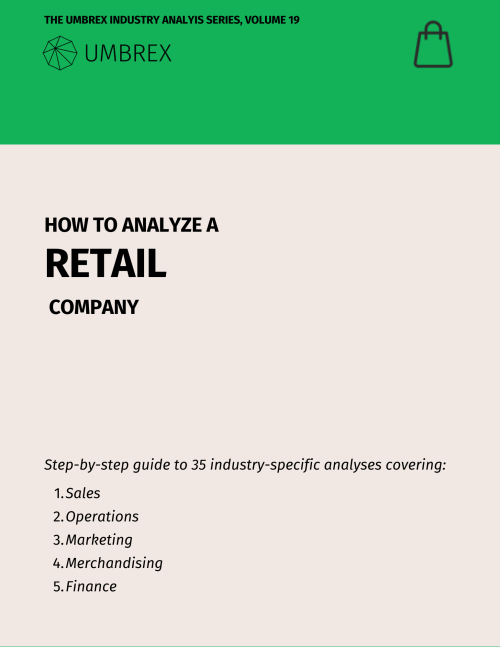
Menu of the 35 analyses:
Sales:
- Comparable Store Sales Analysis
- Cross-Selling and Up-Selling Effectiveness
- Customer Lifetime Value
- Customer Return Rate Analysis
- Foot Traffic and Conversion Rate Analysis
- Location-Based Performance Analysis
- Omnichannel Strategy Effectiveness
- Seasonality Impact and Sales Mix Analysis
- Store Atmosphere and Experience Impact on Sales
Operations:
- Click-and-Collect/Buy Online, Pickup In-Store (BOPIS) Effectiveness
- E-commerce Fulfillment Efficiency and Cost Analysis
- In-Stock Rate and Out-of-Stock Analysis
- Inventory Turnover and Management Analysis
- Shelf Space Allocation and Optimization
- Store Closure and Rationalization Analysis
- Store Expansion and Cannibalization Risk Analysis
- Store Labor Productivity Analysis
- Store Lease and Real Estate Cost Efficiency
- Sustainability and Ethical Sourcing in Retail
Marketing:
Merchandising:
- Markdown Strategy and Effectiveness
- Merchandising Strategy Effectiveness
- Planogram Compliance and Store Layout Efficiency, including Endcap Performance
- Private Label vs. Branded Product Performance and Supplier Dependency Strategy
- Product Category Margin Analysis
- Stock Keeping Unit (SKU) Rationalization and Retail Product Assortment Optimization
- Visual Merchandising Performance